
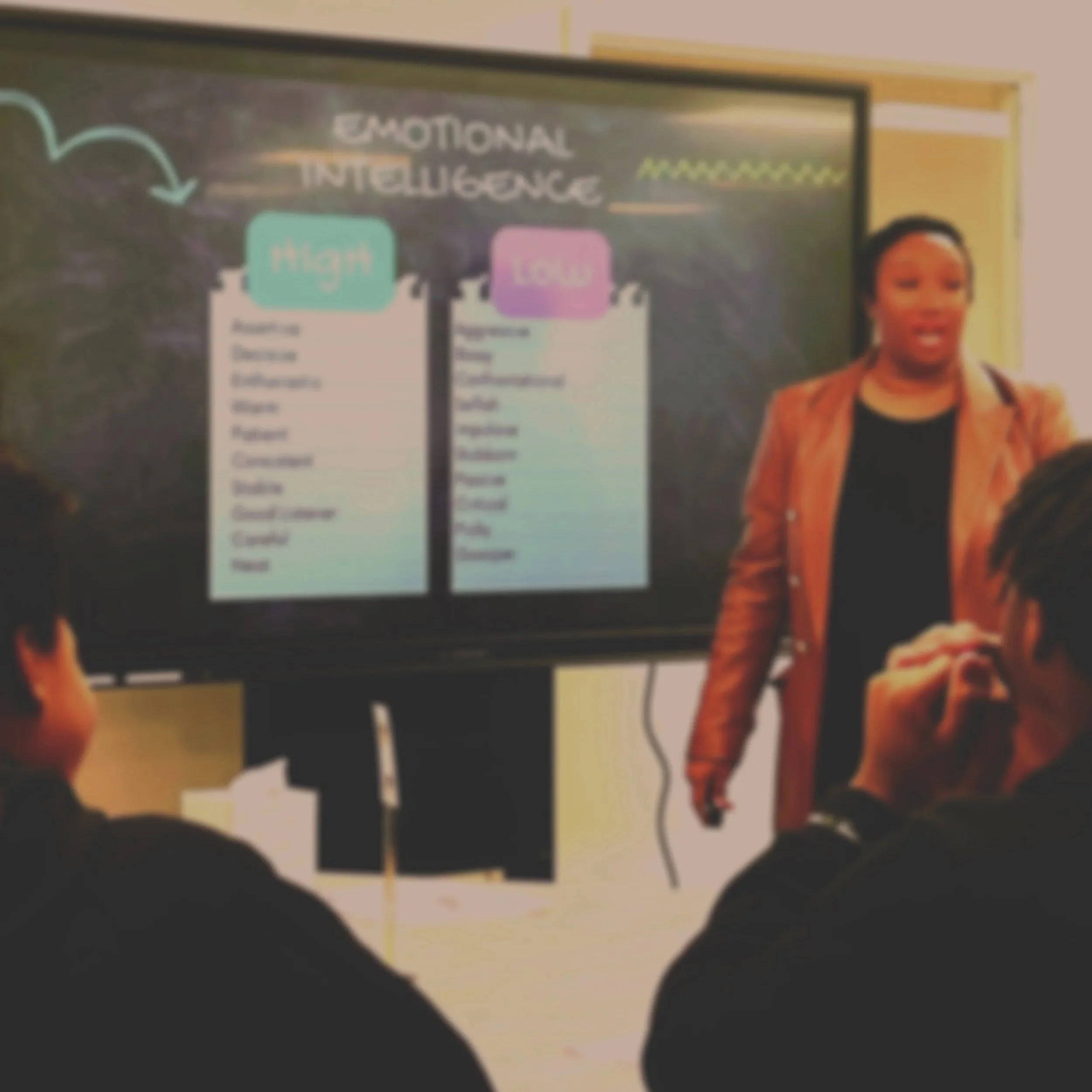
friendship lab:
awareness.
communication.
repair.
Interactive workshops that help students develop self-awareness, emotional intelligence, decision making skills as they navigate identity, relationships and future goals.
Organizations Served
EXPLORE the friendship lab!
Friendship is one of the most influential relationships in our lives, but almost no one is formally taught how to be a friend, choose friends, communicate through conflict, set expectations, or know when a relationship needs to change.
We are taught how to perform, achieve, work, and succeed — but friendship is often left to trial and error. The problem is, friendship is not just personal. Friendships are highly influential relationships that can shape our mental health, self-esteem, confidence, decision-making, emotional safety, identity, behavior, and sense of belonging — for better or worse.
Friendship Lab was created to close that gap.
Friendship Lab uses friendship as the entry point to teach the deeper skills people need to navigate relationships with more clarity, maturity, and self-awareness. It is not just about making friends. It is about understanding the relationship dynamics that shape how we communicate, handle conflict, manage expectations, choose people, repair trust, and decide who belongs in our lives.
For teens, Friendship Lab is preventative. It helps young people understand friendship, peer pressure, loyalty, exclusion, conflict, and belonging before unhealthy patterns become normal.
For college-age students and young adults, Friendship Lab is early intervention. This is the stage where independence, roommate tension, comparison, loneliness, identity, new social circles, and conflict can affect mental health, academic performance, attendance, engagement, and enrollment.
For adults, Friendship Lab is course correction. Many people have spent years navigating friendship through trial, error, and repeated disappointment — overgiving, avoiding hard conversations, repeating unhealthy patterns, tolerating resentment, or not knowing how to repair or release relationships with maturity. Friendship Lab gives language and tools to what many people have been living through for years.
This framework focuses on helping people build the awareness and interpersonal skills needed to create, maintain, repair, and evaluate the relationships in their lives.
Core themes include:
· Self-awareness — Understanding your own expectations, personality patterns, triggers, assumptions, and blind spots before they create tension or reactive behavior.
· Communication — Learning how to express needs, address conflict, take space, ask better questions, and have honest conversations without destroying the relationship.
· Conflict repair — Understanding that conflict does not always mean failure, but repair requires accountability, honesty, timing, and emotional maturity.
· Social decision-making — Learning how to choose friends, recognize unhealthy dynamics, manage peer pressure, and stop mistaking access, history, or attention for friendship.
· Boundaries & expectations — Identifying what is fair to expect from others, what needs to be communicated clearly, and where resentment begins when expectations go unspoken.
· Belonging & identity — Exploring how friendship affects confidence, emotional safety, social identity, and the way people move through their lives.
Why it matters:
Friendships can deeply affect mental health, self-esteem, confidence, behavior, and the way people see themselves. The right friendships can help people feel supported, grounded, challenged, and seen. The wrong dynamics can create anxiety, insecurity, resentment, comparison, isolation, and emotional exhaustion.
Social issues do not stay social. They show up in school, work, family, community, mental health, decision-making, conflict, and the way people move through the world.
When people are not taught how to navigate friendship, they often learn through pain, betrayal, silence, avoidance, overgiving, resentment, and repeated fallout. Friendship Lab gives people the language, tools, and reflection needed to understand their relationships before those patterns become bigger problems.
How it’s delivered:
Friendship Lab can be delivered as a 90-minute introductory workshop, a 120-minute deep-dive session, or a multi-session series customized for your group.
· School-based workshops and youth programs
· College and campus programming
· Community organization workshops
· Women’s groups, leadership groups, and retreats
· Corporate or team-based communication sessions
· Small group facilitation
· Custom sessions for teens, young adults, and adult populations
· One-on-one coaching calls
· Virtual or in-person workshops available worldwide